

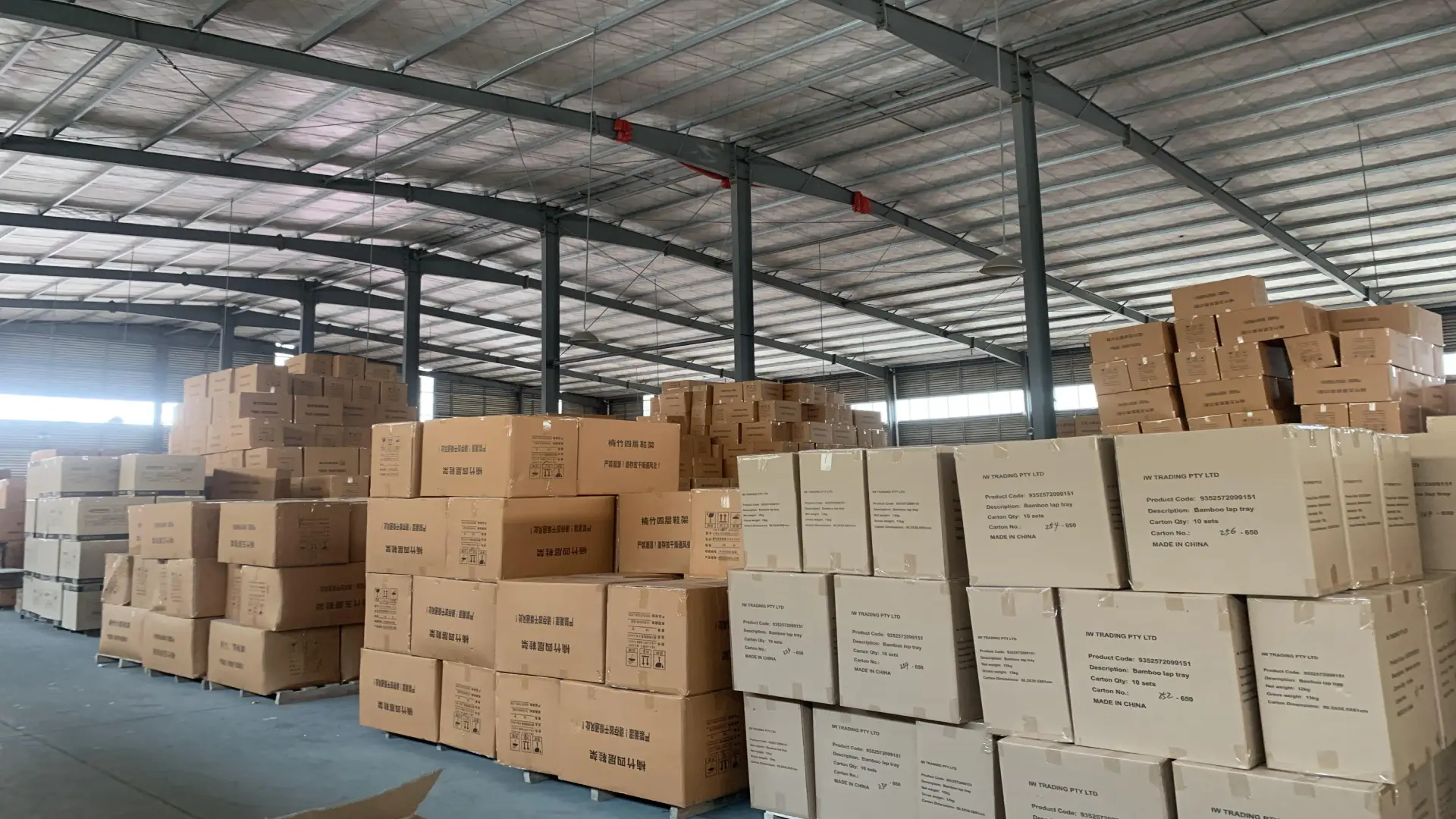
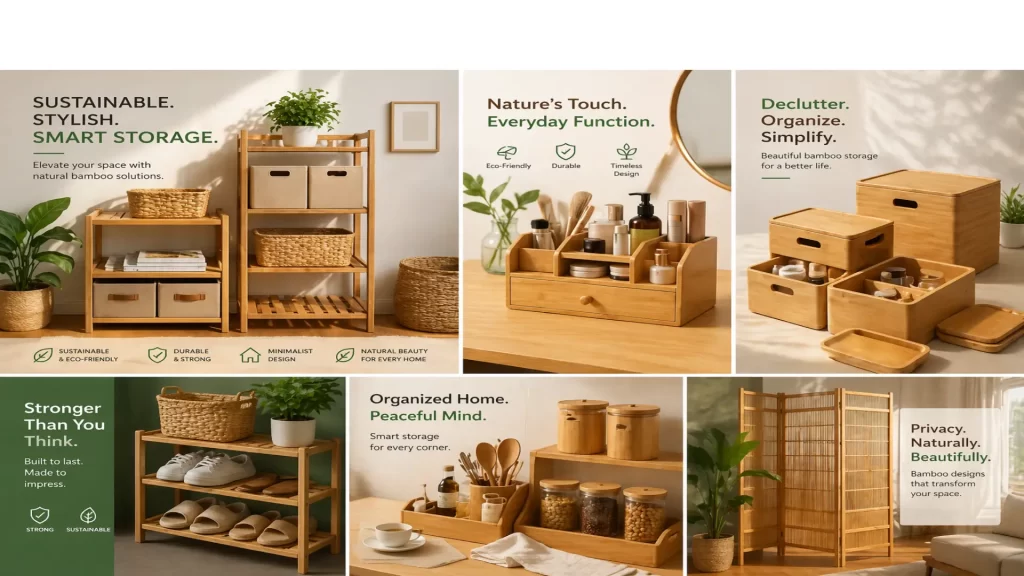
Bamboo products are increasingly used across kitchenware, home storage, bathroom accessories,furniture and home décor collections.For importers, wholesalers, retailers and brand owners, selecting the right products is only one part of the sourcing process. Buyers must also evaluate manufacturing capability, customization services,quality control, packaging, production capacity and export experience.This guide explains how to select reliable bamboo product manufacturers, compare bamboo products suppliers and successfully develop wholesale, OEM and private label bamboo products.
How to Choose Reliable Bamboo Product Manufacturers
Choosing the right manufacturing partner affects product quality, delivery reliability and long-term purchasing costs. Buyers should evaluate more than the product price when comparing bamboo product manufacturers.

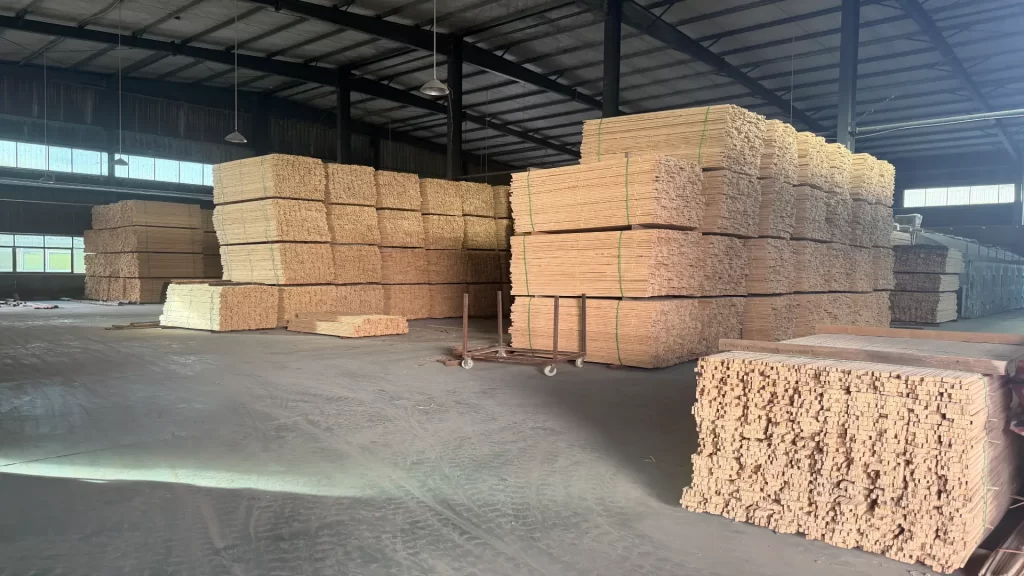
Verify the Manufacturer’s Factory and Production Capabilities
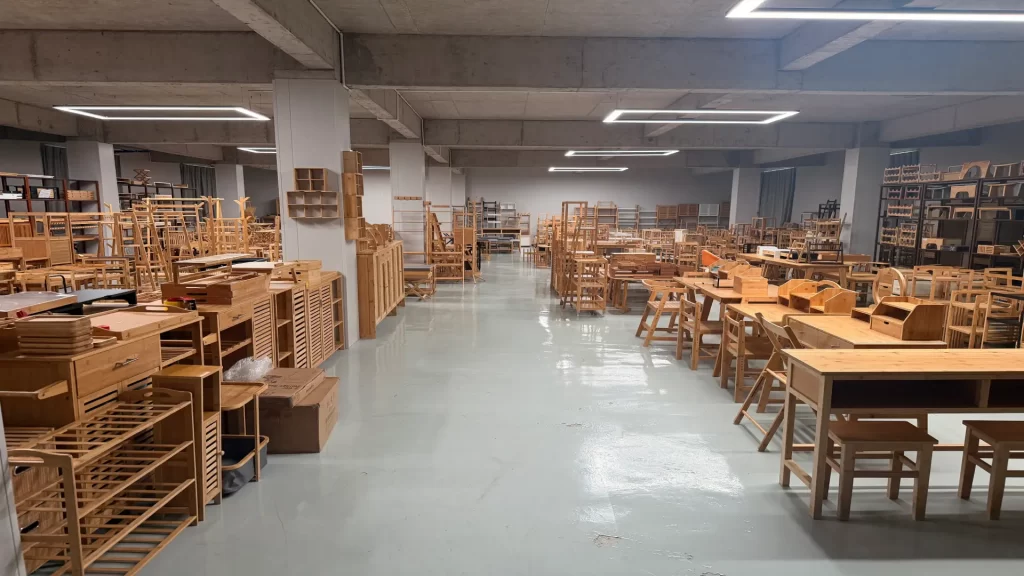
A reliable manufacturer should be able to provide clear information about its factory, equipment,workforce, main product categories and production process.
Buyers can request:
• Factory photographs and videos
• Production-line information
• Monthly production capacity
• Main manufacturing processes
• Quality-control procedures
• Export and loading experience
Factory transparency helps buyers distinguish an actual manufacturer from a company that only resells products from other suppliers.
Review OEM and ODM Capabilities
OEM manufacturing is suitable for buyers who already have product specifications, dimensions or reference samples.1ODM service is more appropriate for buyers who need assistance with product design, structure,materials, packaging or product development.A capable manufacturing partner should support the process from concept and sampling to mass production and delivery.
Confirm Quality Control and Product Compliance
Quality requirements may vary depending on the product category and destination market.Before placing an order, buyers should discuss:
• Material specifications
• Moisture control
• Surface finishing
• Adhesive and coating requirements
• Product testing
• Packaging inspection
• Pre-shipment inspection
Certifications and testing requirements should always be confirmed according to the product and target market.
What Can a Bamboo Products Factory Manufacture?
A professional bamboo products factory can normally manufacture more than one type of product.However, buyers should still confirm whether the factory has experience in their specific category.
Bamboo Kitchenware
Common bamboo kitchenware categories include:
• Cutting boards
• Serving trays
• Utensil holders
• Drawer organizers
• Bread boxes
• Spice racks
• Dish racks
• Kitchen storage products
For kitchenware projects, buyers should confirm the material grade, surface coating, product testing,packaging method and care instructions.
Bamboo Storage and Bathroom Products
Bamboo is also used for:
• Bathroom organizers
• Laundry hampers
• Toilet paper storage
• Shower mats
• Storage cabinets
• Shelving units
• Drawer organizers
• Home storage baskets
Products combining bamboo with MDF, metal, fabric or other materials may provide more design flexibility and cost options.Bamboo is also used for:
• Bathroom organizers
• Laundry hampers
• Toilet paper storage
• Shower mats
• Storage cabinets
• Shelving units
• Drawer organizers
• Home storage baskets
Products combining bamboo with MDF, metal, fabric or other materials may provide more design flexibility and cost options.
Bamboo Furniture and Home Decor Products
Bamboo furniture and bamboo home decor products may include:
• Side tables
• Storage racks
• Benches
• Plant stands
• Kitchen carts
• Decorative trays
• Candle holders
• Display stands
Buyers should evaluate structure, load capacity, assembly method, packaging dimensions and transportation requirements before production.
Bamboo Products Wholesale: What Buyers Should Confirm
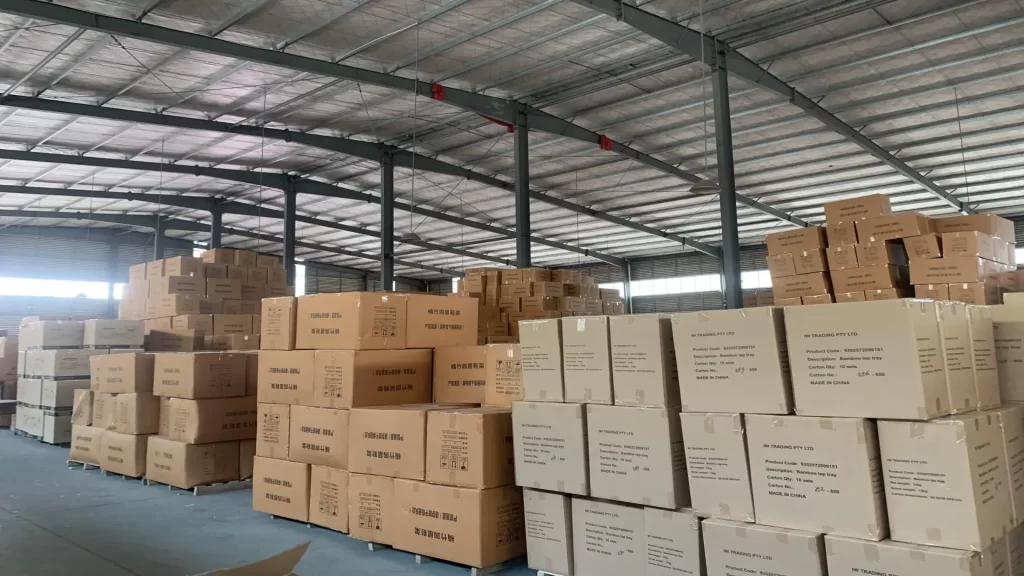
Wholesale bamboo products are usually produced according to minimum order quantities, packaging requirements and agreed specifications.Before placing a bamboo products wholesale order, buyers should confirm the complete commercial terms rather than comparing unit prices alone.
Minimum Order Quantity and Pricing
MOQ depends on several factors:
• Product structure
• Material availability
• Product dimensions
• Logo method
• Packaging type
• Color requirements
• Production process
A standard product with neutral packaging may have a different MOQ from a fully customized private label project.Buyers should provide an estimated order quantity when requesting a quotation. This allows the supplier to calculate the appropriate price and production method.
Sampling and Lead Time
Samples allow buyers to evaluate:
• Product dimensions
• Material quality
• Surface finish
• Logo appearance
• Packaging
• Function and structure
The sample should be confirmed before mass production. Buyers should also clarify the sample cost,sample time, production lead time and shipping method.
Packaging and International Shipping
Packaging should protect the product while controlling transportation costs.Depending on the sales channel, packaging options may include:
• Brown box
• Color box
• Mail-order packaging
• Retail packaging
• Gift packaging
• Display packaging
• Customized inserts
• Barcode and shipping labels
Importers and e-commerce brands should provide packaging requirements early in the development process.
Custom Bamboo Product Service: From Idea to Mass Production
A custom bamboo product service helps buyers turn product ideas, drawings or reference samples into manufacturable products.This service is particularly useful for brands that want to create differentiated custom bamboo products instead of purchasing standard market designs.
Product Concept and Design Evaluation
The development process normally begins with:
• A reference image
• Product dimensions
• A drawing or 3D file
• Material requirements
• Intended function
• Target selling price
• Destination market
The manufacturer evaluates whether the design can be produced efficiently and may recommend adjustments to improve stability, cost or packaging.
Prototype and Sample Development
A prototype allows both parties to confirm the design before investing in production tooling or bulk materials.During sampling, the buyer should verify:
• Dimensions
• Product structure
• Color
• Finish
• Logo
• Packaging
• Assembly
• Product function
Any necessary changes should be documented before approving the final sample
Mass Production and Quality Inspection
After sample approval, the factory can prepare raw materials and arrange production.5Quality-control checkpoints may include:
• Incoming-material inspection
• In-process inspection
• Size and structure checks
• Surface inspection
• Logo inspection
• Packaging inspection
• Final random inspection
Clear specifications and an approved sample reduce misunderstandings during mass production.
Private Label Bamboo Products for Brands and Retailers
Private label bamboo products allow retailers, importers and e-commerce companies to sell products under their own brand identity.The service may include custom logos, packaging, labels, instructions and product modifications.
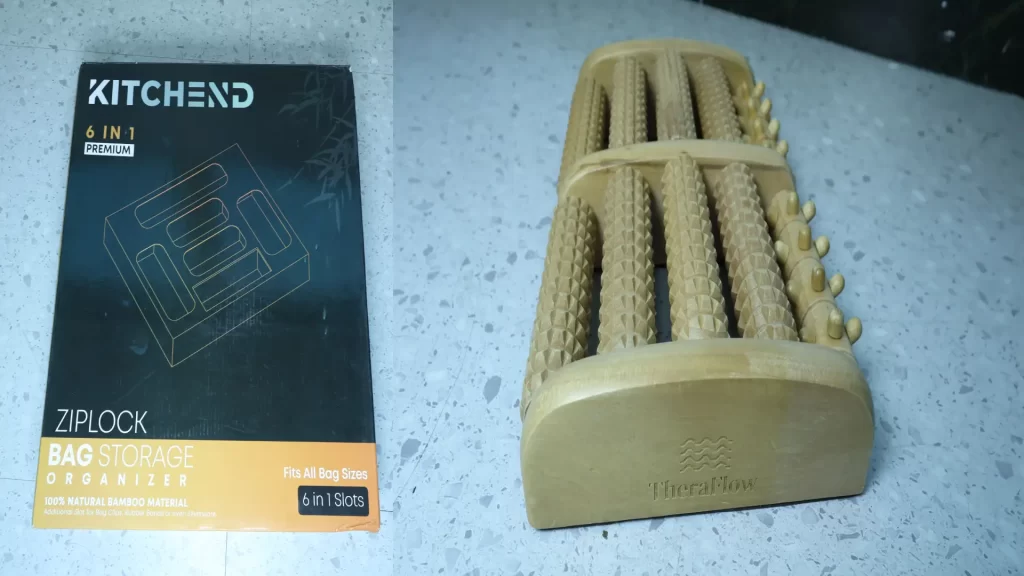
• Image: Bamboo product with branded logo, custom box and instruction manual
• Filename: private-label-bamboo-products.jpg
• Alt text: Private label bamboo products with custom logo and packaging
• Caption: Private label solutions for retailers, wholesalers and brand owners.
Custom Logo Options
Logo methods may include:
• Laser engraving
• Printing
• Metal nameplates
• Product labels
• Packaging printing
• Hangtags
• Stickers
The appropriate logo method depends on the material, product design, order quantity and desired appearance.
Customized Retail and E-commerce Packaging
Packaging is an important part of a private label project.Retailers may require attractive shelf-ready packaging, while Amazon and e-commerce sellers may prioritize transportation protection and compact carton dimensions.Buyers should provide packaging artwork, barcode requirements, warning labels and marketplace specifications before final confirmation.
Product Differentiation
Private label projects do not always require a completely new product.Existing products can often be differentiated through:
• Modified dimensions
• New colors
• Material combinations
• Additional functions
• Branded packaging
• Product bundles
• Improved accessories
These adjustments can help brands create a more distinctive market offering while controlling development costs.
How to Compare Bamboo Products Suppliers
Not all bamboo products suppliers provide the same level of manufacturing support.Price is important, but buyers should also compare development capability, communication, quality control and delivery reliability.
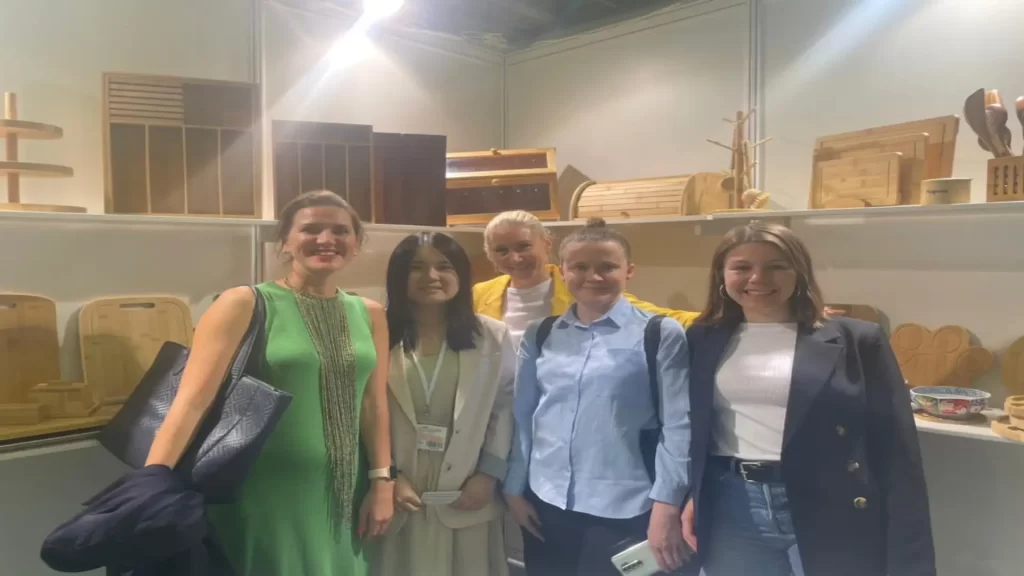
Manufacturer or Trading Company
A trading company may offer a broad product range, while a direct bamboo products supplier with manufacturing facilities may provide stronger control over customization, production schedules and quality.Buyers should ask:
• Where is the product manufactured?
• Who controls production?
• Can the supplier modify the product?
• Who manages quality inspection?
• Can the supplier provide factory documentation?
The correct choice depends on the buyer’s product range, volume and customization needs.
Production Location and Supply-Chain Flexibility
For international buyers, manufacturing location can influence tariffs, transportation, lead time and supply-chain planning.Xianxu Bamboo Wood supports manufacturing through China and Vietnam production capabilities,helping buyers evaluate different sourcing and capacity options according to their project requirements.
Communication and Project Management
Good communication is especially important for OEM and ODM orders.A professional supplier should confirm key requirements in writing, provide clear timelines and communicate changes before they affect production.Buyers should evaluate how quickly and accurately the supplier responds during the quotation and sample stages.
Are Bamboo Products Eco Friendly?
Many buyers search for eco friendly bamboo products, but sustainability should be evaluated carefully rather than treated only as a marketing phrase.The answer to “Are bamboo products eco friendly?” depends on the sourcing, manufacturing process,product lifespan, coatings, packaging and end use.
Responsible Material Sourcing
Buyers can request information about:
• Material origin
• Forest-management certification
• Supplier traceability
• Material documentation
• Restricted-substance requirements
Certification claims should only be used when the relevant certificate and product scope can be verified.
Product Durability and Reusability
Why are bamboo products eco friendly in some applications?8One reason is that durable and reusable products may replace short-life disposable alternatives.However, environmental performance also depends on product design and how long the product remains usable.Strong construction, replaceable parts and practical design can help extend product life.
Coatings, Adhesives and Packaging
Buyers should also consider the coatings, adhesives and packaging used in production.Depending on the destination market, buyers may request specific testing or material declarations for:
• Paint
• Glue
• Surface coatings
• Food-contact materials
• Packaging materials
• Restricted substances
The supplier should confirm which tests are applicable to the specific product.
Request a Bamboo Products Wholesale or OEM Quotation
A detailed inquiry helps the manufacturer provide a faster and more accurate quotation
Information to Include in Your Inquiry
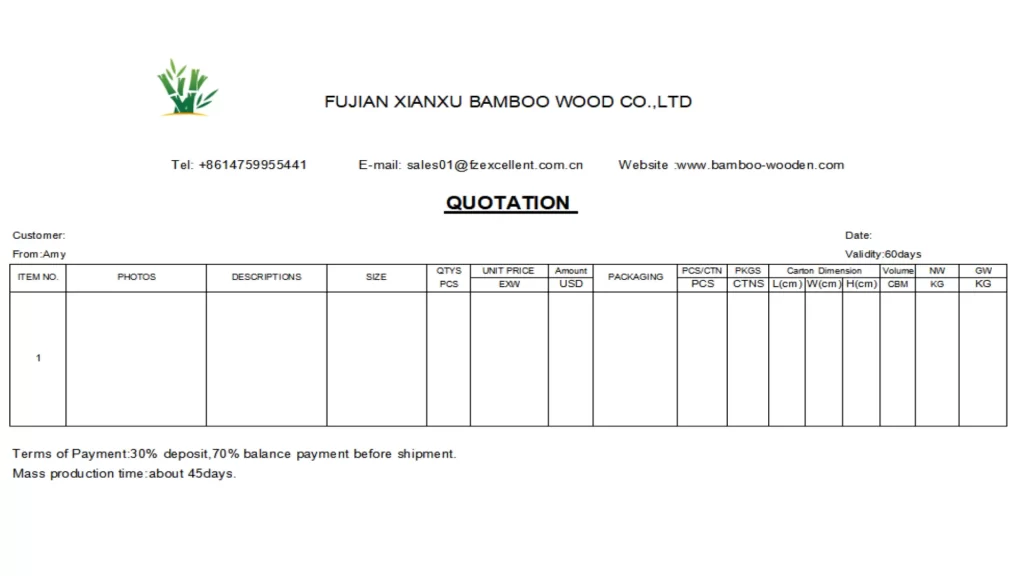
Please provide:
1. Product image, drawing or reference link
2. Product dimensions and materials
3. Estimated order quantity
4. Logo and packaging requirements
5. Destination country
6. Required certifications or testing
7. Expected order date
Xianxu Bamboo Wood provides bamboo and wooden product manufacturing services for importers,wholesalers, distributors, retailers and brand owners.Our team supports OEM, ODM, private label, custom packaging, product sampling and mass production.Contact us to discuss your next bamboo products project.